Export Packing for Natural Stone: Crates, Pallets & Containers
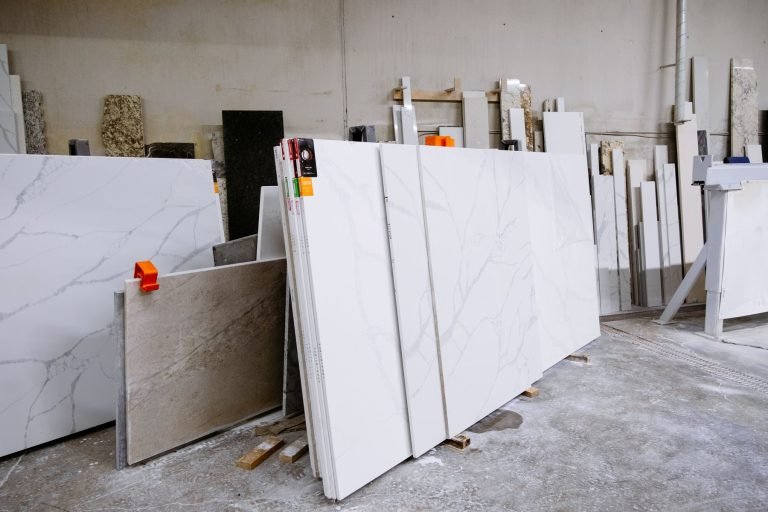
Natural stone is durable in a building — but surprisingly vulnerable in transit. Slabs crack at the edges, tiles chip against each other and poorly balanced crates shift inside the container. Getting export packing right is what turns a quarry-fresh slab into an undamaged delivery on the other side of the world. Here is how professional stone packing works.
Seaworthy wooden crates
Slabs are bundled and secured in strong wooden crates built to survive a long sea voyage. Timber used for export packing should be treated and, where required, carry ISPM-15 marking with the corresponding phytosanitary documentation — a detail that avoids costly hold-ups at destination customs.
Edge protection and cushioning
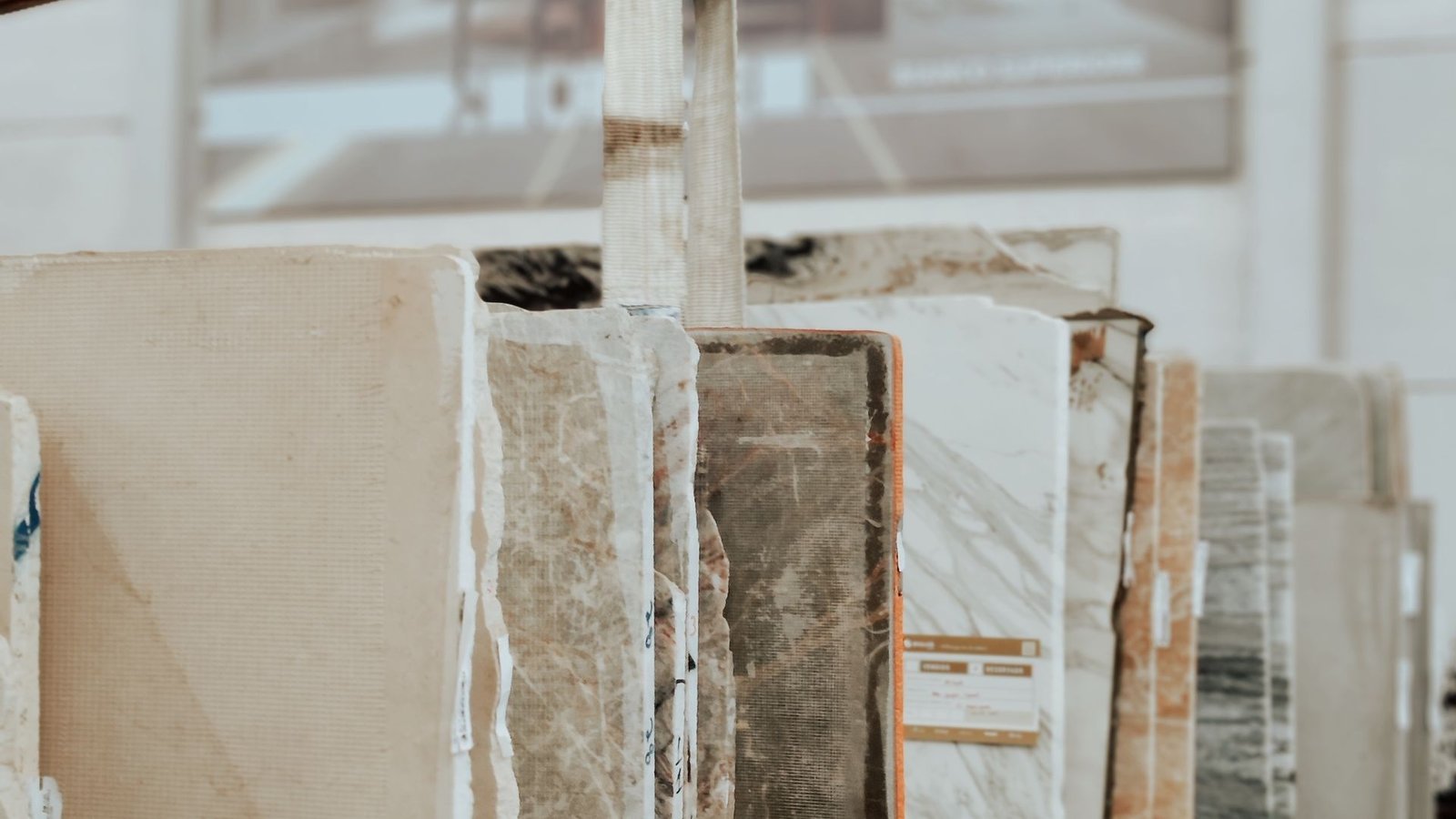
The edges and corners of slabs are where damage starts. Foam, rubber and corner guards absorb shock, while interleaving material prevents polished faces from rubbing against each other. For tiles, sturdy cartons on pallets with strapping and stretch wrap keep units tight and immobile.
Palletising for handling
- Stability — even, balanced loads that will not topple when the container moves.
- Forklift access — pallets sized for safe mechanical handling at both ends.
- Labelling — clear shipping marks, “fragile” and orientation indicators.
Weight distribution and container loading
Stone is dense, so a container reaches its maximum permitted weight well before it is physically full. Crates must be positioned to keep the load centred and within axle-weight limits, then braced so nothing shifts in transit. Correct loading protects the goods, the container and everyone handling it down the line.
Packing that arrives intact
Veer Import and Export handles seaworthy crating, palletising and container loading for every stone shipment, backed by pre-shipment inspection and complete export documentation. Request a quote to discuss your order.